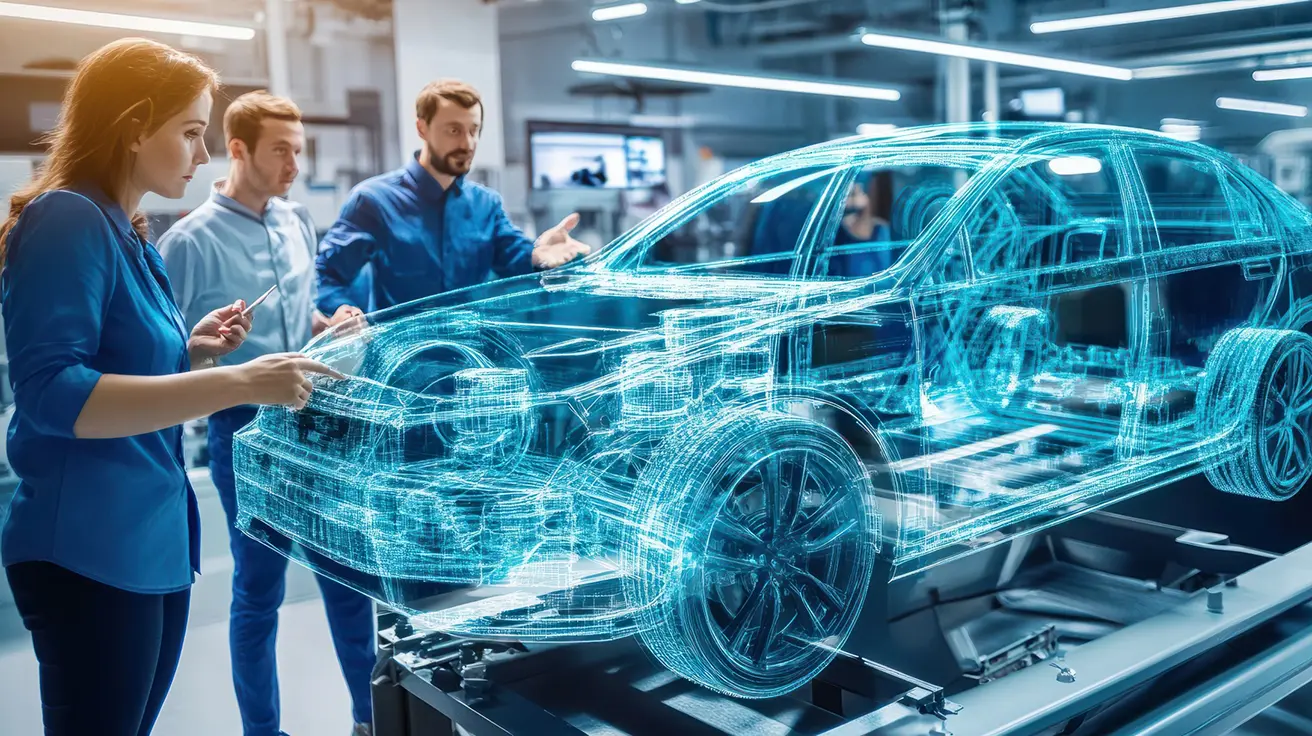
How New Vehicle Concept Evaluation Shapes the Future of Mobility
New vehicle concept evaluation has become a crucial process in the UAE as the country rapidly moves towards smarter and more advanced mobility. With leading car brands, technology innovators, and global automotive firms competing to create vehicles that match the region’s lifestyle, climate, and high expectations, the market is evolving at a fast pace. In this dynamic environment, evaluating new vehicle concepts carefully is now one of the most important steps before any model is introduced to customers. This process helps the companies to understand the needs of their customers, test ideas early, and avoid committing costly mistakes.
This article explains the process more clearly, its importance, and how top market insights influence every decision.
Understanding What Drivers in the UAE Really Want
The brands need a clear view of what people in the country expect from future vehicles before designers start sketching a new model. Here is where market research plays a powerful role. Insights gathered by market research agencies in Dubai help understand everyday needs such as comfort in hot weather, strong AC performance, or better fuel efficiency for long commutes.
These findings allow automotive teams to shape concepts that fit the local lifestyle. Instead of guessing trends, they rely on real data, clear preferences, and honest feedback from potential buyers.
Turning Early Ideas into Testable Concepts
Generally, automotive firms start with broad ideas: new shapes, new features, or new technologies. However, not all ideas work in the real world. In concept evaluation for new vehicles, these raw ideas get molded into basic models that people can review. Testing early designs with a customer research company involves interviews, surveys, and concept boards to see if they make sense for buyers.
This early feedback helps filter out weak ideas and highlights the features that drivers most value, such as connectivity, safety tools, or luxury interiors.
Measuring Practicality Through Realistic Vehicle Evaluation
Great design is not enough. A concept must also perform well in daily life. Through detailed vehicle evaluation, brands check how features work in tough climates, in city traffic, and on long highways.
Frequently, these tests are supported by the collection of opinions from real drivers by some market research companies in UAE. For example, they check how easy to use a digital dashboard is, or how comfortable a seating layout feels during long journeys. These small insights help engineers refine the model before full development begins.
Identifying Gaps and Opportunities in the Market
Good ideas solve real problems. That’s why automotive companies depend so much on structured market research to identify unmet needs in the UAE. Gaps may be obvious-such as the rising interest in electric vehicles-or more subtle, including wish lists for more family-friendly interiors or better cargo space.
Through solid consumer research services, brands identify these gaps early. This helps them build concepts that stand out from competition and offer fresh value to drivers instead of repeating what already exists.
Validating buyer interest before investing millions
New vehicle development costs a lot of money. It requires engineering, testing, manufacturing, marketing, and distribution for a full model. Companies need to know that before investing heavily, the buyers will actually like the final product.
This is where new vehicle concept evaluation becomes essential. Through structured consumer surveys, prototype viewing sessions, and feature-ranking exercises, firms learn what potential buyers appreciate or dislike. These insights reduce financial risk and help brands avoid costly failures.
Testing Exterior and Interior Designs with Local Preferences
Design tastes are different from other regions. Buyers often prefer bolder looks, stronger road presence, or luxurious cabin finishes. During design testing in Dubai, market research agencies conduct detailed reviews where participants comment on colours, body shapes, lighting elements, dashboard layouts, and seat comfort.
These sessions guide the design teams to make proportion adjustments, material changes, and overall styling so that the concept blends global trends with local expectations.
Testing New Tech Features Before Launch
Not just engines and designs, modern car buyers look for smart features in every new purchase. Advanced screens, AI tools, driver-assist systems, and a host of connectivity options have become default. Of course, before adding any to production, brands will need to check if people want them.
The systematic services of consumer research help organizations understand which innovations attract drivers and which are dispensable. In this way, only useful technology, not overload, will be provided to the final vehicles.
Building the Right Strategy for Product Launch Research
When the vehicle concept is almost ready, brands need to plan how to introduce it to the market. A strong launch plan is built on reliable insights. Using product launch research, companies test promotional messages, pricing expectations, and marketing ideas.
The process ensures that the right positioning of the vehicle is achieved in the market. It further assists brands in not making the wrong assumptions regarding what customers value most.
Understanding Regional Climate Challenges
The environment within the country is quite different. High temperatures, humidity, and sand may badly affect the performance of vehicles. It means that climate suitability forms a major part of new vehicle concept evaluation. Research teams gather driver experiences, test materials, and check how new features handle extreme conditions.
This feedback helps a company select better cooling systems, stronger interior materials, and more durable components that can last longer in local weather.
Predicting Future Consumer Trends
The good ideas not only fulfill today’s need but also provide for the changes that might occur tomorrow. A market research firm in Dubai would track long-term trends regarding electric mobility, sustainable materials, or advanced safety tools. Such forward-looking insights enable automotive firms to design the product with future demand in mind.
Trend prediction means that when a model launches, it still feels modern and relevant, instead of outdated.
Improving Prototype Models With Real Driver Testing
As soon as there is a prototype available, genuine drivers test it under various conditions. Their feedback becomes of great value. They indicate minor issues—like the placement of buttons, seat height, sound insulation, or visibility—that engineers may have bypassed. This hands-on assessment completes the entire process.
With structured vehicle evaluation, brands fix issues early on, and the final product meets the expectations of drivers.
Ensuring Final Concepts Match Consumer Lifestyle Needs
At the end of every stage of research, there is always one question: does this vehicle fit the way people in the UAE live and drive? Through market research, brands match the concept to lifestyle needs: road trips, city drives, family travel, and business use.
This final check ensures that the concept is not only innovative but also truly useful.
Conclusion: Why Market Research Matters for the Future of Mobility
Every successful model is shaped by strong research and clear insights into actual driver needs. From early sketches through final prototypes, new vehicle concept evaluation helps every decision be based on real driver needs, rather than assumptions. Through deep testing, practical feedback, and reliable local insights, brands are delivering vehicles matched to the region’s lifestyle, climate, and expectations. The concept evaluation for new vehicles will guide every innovation as mobility keeps evolving, helping automotive firms build smarter, safer, more relevant vehicles for the drivers.
 Demos
Demos  Docs
Docs  Support